
CirQus
Frequently asked questions.
Getting Started
What to Wear & Bring
Booking & payment
Class experience
health + Safety
aerial circus disciplines
for t0urists + visitors
continued training
-
Absolutely! Trust yourself—we all had to start somewhere. If you already do some exercise, you'll be fine. I get this question every single day, and the answer is always YES. Circus arts are for everyone, regardless of fitness level.
-
Yes! No upper strength? No problem. Aerial training will help you build strength and mobility gradually. Many students start with zero upper body strength and develop it over time through consistent practice.
-
All ages, all genders, all walks of life. Whether you're 18 or 80, athletic or sedentary, circus arts are accessible to everyone. Classes are adapted to different skill levels and abilities.
-
This is completely normal! Many successful aerial artists started with a fear of heights. Instructors work with you at your own pace, and you're never forced to go higher than feels comfortable. Most students find their confidence grows naturally with practice.
-
You don't need to be fit to start—aerial training will get you fit! If you can do some basic exercise, you're ready. Classes are designed to meet you where you are and help you progress safely.
-
Wear tight-fitting, non-slippery fabric such as:
Cotton or synthetic leggings (full length preferred)
Form-fitting athletic tops
Sports bra or fitted tank top
Avoid:
Loose clothing (can get caught in equipment)
Shorts or crop tops (skin contact with apparatus is important)
Slippery fabrics like satin or nylon
Any jewelry (rings, bracelets, necklaces, dangling earrings)
Zippers or buttons that could snag
-
Water bottle (stay hydrated!)
Light snack (like a granola bar for energy)
Small towel (for wiping hands/equipment)
Hair ties if you have long hair (secure it back)
-
Most aerial disciplines are done barefoot or in grip socks. Some disciplines like trapeze may require soft shoes. Check with your specific class instructor.
-
Browse CirQus's calendar to see all available classes across Montreal studios. Each listing shows the schedule, level, location, and booking information.
-
Reservations depend on which studio you're booking with. Each listing on CirQus includes:
Direct booking links to studio websites
Email contact information
Phone numbers if available
For CirQus-organized events specifically, reserve by:
Email: lecirqus@gmail.com
Text/call: Alissa at 514-709-8639
-
Payment methods vary by studio. For CirQus-organized events
Cash (in person)
E-transfer to lecirqus@gmail.com (prior to your event)
You'll receive confirmation for your booking and any important information about your chosen class or event.
-
Yes! Use the promo code CIRQUS when booking through partner studios to receive $3-$4 off your class.
-
Cancellation policies vary by studio. Most require 24-48 hours notice for cancellations or rescheduling. Check your confirmation email or contact the studio directly for their specific policy.
-
Most classes are 60-90 minutes, including warm-up, skill work, and cool-down. Drop-in workshops may vary in length.
-
Yes, probably! Aerial arts use muscles you don't normally engage. Expect some soreness, especially in your core, arms, and legs. This is completely normal and will decrease as your body adapts.
-
Yes, when practiced properly with qualified instructors and proper equipment. All CirQus-featured studios maintain safety standards including:
Professional instruction
Proper equipment maintenance
Crash mats and safety protocols
Progressive skill development
-
Your first class typically includes:
Warm-up: Stretching and conditioning
Basic technique: Introduction to your chosen apparatus
Simple moves: Beginner-friendly skills like climbs, basic poses, or spins
Cool-down: Stretching to prevent soreness
Instructors will guide you through everything step-by-step.
-
This depends on the studio and discipline. Some studios require beginners to take an intro series first, while others welcome drop-ins at any time. Check the specific class listing for requirements.
-
Most adult classes are for ages 16-18+. Many studios also offer youth classes for ages 5-18. Check specific class descriptions for age requirements.
-
Always inform your instructor about any injuries, health conditions, or physical limitations before class. They can help modify movements to accommodate your needs. Consult your doctor if you're unsure whether aerial training is appropriate for you.
-
This depends on your stage of pregnancy and previous experience. If you're already an experienced aerialist, you may be able to continue with modifications. If you're new to aerial arts, most instructors recommend waiting until after pregnancy. Always consult your doctor first.
-
Instructors prioritize safety and work at your pace. You'll always have crash mats underneath, and you'll learn proper techniques for dismounting safely. Many students with fear of falling successfully overcome it through gradual exposure and proper instruction.
-
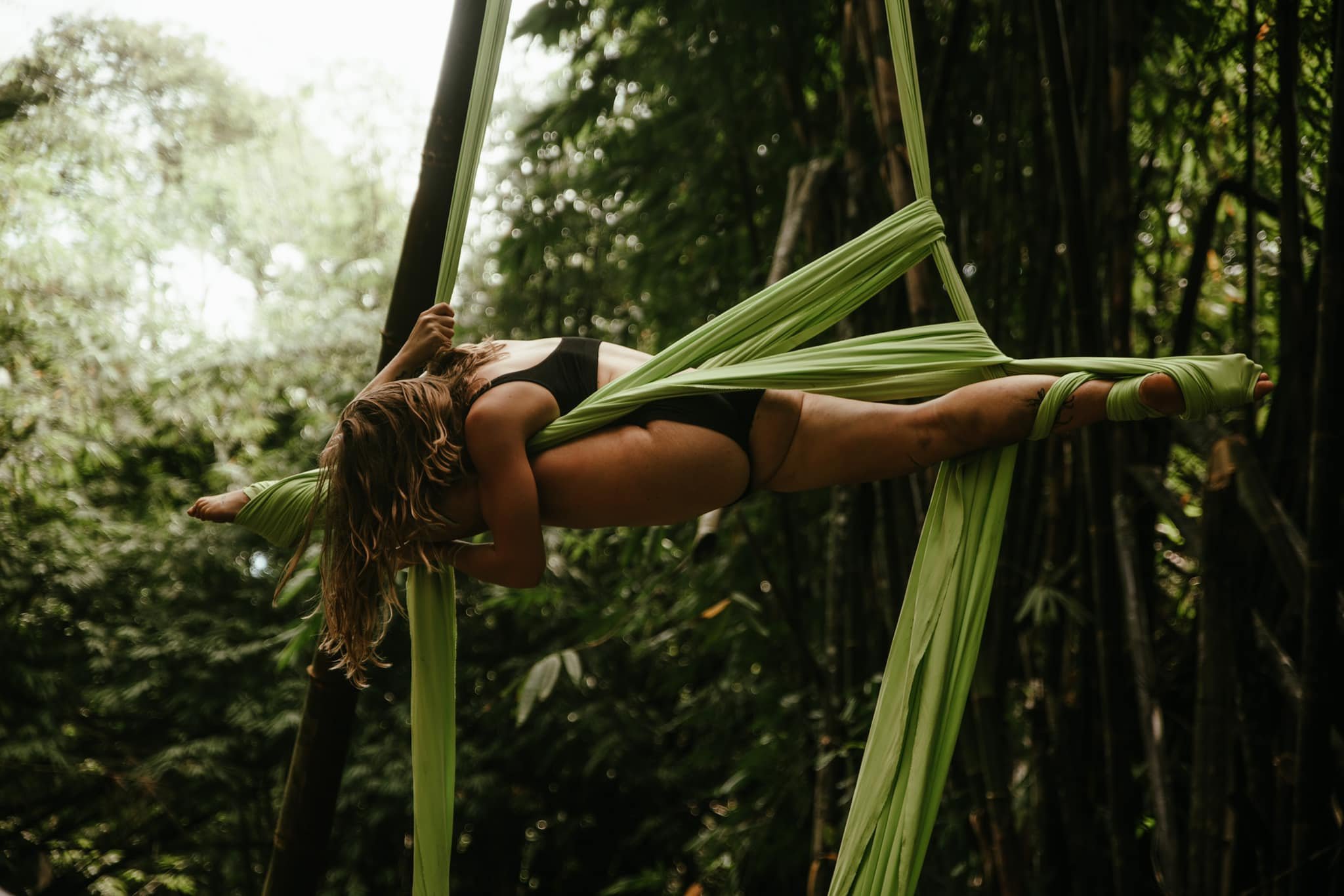
Aerial Silks: Two long fabric pieces you climb, wrap, and create poses on
Aerial Hoop (Lyra): A suspended steel ring you sit, stand, and hang from
Flying Trapeze: A bar you swing from, performing dynamic tricks and catches
Static Trapeze: Similar bar but stationary, focusing on strength and poses
-
This is personal preference! Try different disciplines to see what you enjoy most:
Silks: Great for those who love flow and fluidity
Hoop: Good for structured, elegant movements
Trapeze: Ideal for dynamic, acrobatic tricks
Straps: Best for strength-focused training
Pole: Combines dance, strength, and artistry
-
Absolutely! Many students train in multiple aerial disciplines. Cross-training helps you develop different skills and prevents overuse injuries.
-
Yes! Many studios offer drop-in classes perfect for tourists. CirQus also curates special "Be an Aerial Acrobat for a Day" experiences designed specifically for visitors who want a taste of Montreal's circus culture.
-
Most studios in Montreal offer classes in both English and French. Many instructors are bilingual. Check the studio listing or contact them directly to confirm language options.
-
For steady progress, most students train 2-3 times per week. However, even once a week will help you build strength and skills over time. Listen to your body and avoid overtraining.
-
Everyone progresses at their own pace. You'll see improvements in strength and technique within weeks, but mastering complex skills takes months to years of consistent practice. Enjoy the journey!
-
Yes! CirQus connects recreational artists with:
Open-stage events
Student showcases
Community performances
Collaborative projects
As you progress, you may also qualify for funded training through programs like En Piste (up to 10 free performance development classes).
-
Absolutely! Montreal is home to world-renowned circus companies and schools. Many professional aerialists started as recreational students. CirQus can connect you with professional development resources, teacher trainings, and career pathways.
Still have questions?
We're here to help you find your perfect circus fit.
Email: info@lecirqus.com
Phone/Text: Alissa at 514-709-8639
We can guide you to the right classes, answer questions about disciplines, and help you navigate Montreal's circus scene.
Handy Resources
-
Link to Google Form
-
Link to PDF
-
Link to PDF